















Shopping Cart
0
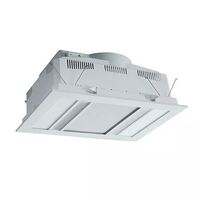
Martec Phoenix 3-in-1 Fan, Heater, Light & Exhaust White
Model # MBHP1000W
Model #
MBHP1000W
$324.50 $295.00 ex GST
17% OFF
RRP $389.00
Download the MJS App today and get everything you need at your fingertips





Need Help?
Need Help?
 Air Movement
Martec Phoenix 3-in-1 Fan, Heater, Light & Exhaust White
Model # MBHP1000W
Model #
MBHP1000W
$324.50 $295.00 ex GST
 Cable
Cable
 Circuit Protection
 Conduit & Ducting
 Electrical Accessories
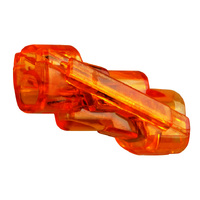
IDEAL Spliceline 2-Port Inline Connector (100 Jar)
Model # 30-1142J
Model #
30-1142J
$38.50 $35.00 ex GST
 Industrial
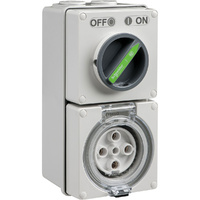
Clipsal Easy56 Round 5 Pin 32A Switched Socket
Model # EY56C532
Model #
EY56C532
$134.50 $122.27 ex GST
 Lighting
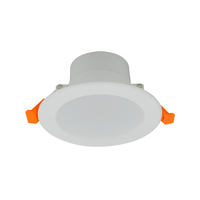
Tradelike BUDDY 10W Non-Dimmable LED Downlight Kit 4000K
Model # TLBU4010W
Model #
TLBU4010W
$4.95 $4.50 ex GST
 Service Provider
 Smart Home & Security
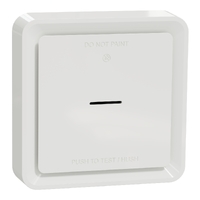
Clipsal Wiser Smart Smoke Alarm with 10 Year Lithium Battery White
Model # CLP599WSAL
Model #
CLP599WSAL
$161.15 $146.50 ex GST
 Switchboards
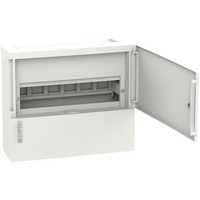
Clipsal Resi MAX 1 Row 12 Pole Surface Mount Switchboard
Model # RMXE112S
Model #
RMXE112S
$51.81 $47.10 ex GST
 Switchgear
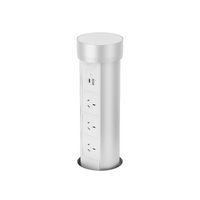
Point Pod Multi Pop Up Powerpoint 3 x Power 2 x USB Silver
Model # PPM01
Model #
PPM01
$490.50 $445.91 ex GST
 Tools
Tools
 TV & Data
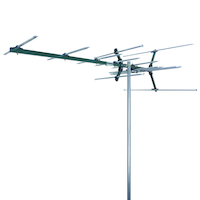
Matchmaster 03MM-DC21V Digital TV Antenna
Model # 03MM-DC21V
Model #
03MM-DC21V
$137.50 $125.00 ex GST
 Click here to see our huge range
Air Movement
Cable
Circuit Protection
Conduit & Ducting
Electrical Accessories
Industrial
Lighting
Service Provider
Smart Home & Security
Switchboards
Switchgear
Tools
TV & Data
Click here to see our huge range
Air Movement
Cable
Circuit Protection
Conduit & Ducting
Electrical Accessories
Industrial
Lighting
Service Provider
Smart Home & Security
Switchboards
Switchgear
Tools
TV & Data
Date Posted:14 August 2026
While both types are designed to record footage and keep an eye on your property, they’re engineered for completely different environments and purposes.
Understanding the difference between indoor vs outdoor surveillance cameras ensures you don't overspend on heavy-duty features where you don't need them — or worse, ruin a delicate interior camera by mounting it in the harsh Aussie weather. To save yourself the hours of research, we’ve put together a guide so you can choose the right gear for your space.
Indoor cameras are built to monitor internal spaces like living rooms, hallways, bedrooms, entry foyers, and garages. Since they sit inside a building, manufacturers don't need to wrap them in bulky, weather-sealed housings. This allows them to stay lightweight, compact, and discreet so they blend neatly into your home decor. They can be a godsend for protecting against theft of electronics, car keys, jewellery, and clothing.
When homeowners buy indoor security cameras, they’re usually searching for features that enhance internal convenience and monitoring:
Not always, but it depends on how your setup is wired. Many standalone interior models operate as Wi-Fi security cameras, relying on your home wireless network to stream video to a phone app or cloud server. On the flipside, if you’re running a hardwired IP camera network connected to a central recorder, your indoor units can transmit both power and video through an Ethernet cable without needing a Wi-Fi connection at all.
No. Indoor cameras don’t have the protective seals, UV-stabilised plastics, and weather-sealed housings needed for outdoor use. Exposing an indoor unit to rain, high humidity, or direct sunlight will quickly deteriorate its internal electronics, fog up the lens, and void your warranty.
Outdoor models are specially made with heavy-duty materials built to guard your perimeters, driveways, backyards, and entry points. The best outdoor security cameras for Australian homes are built to withstand intense UV exposure, driving rain, dust storms, and extreme temperature shifts without breaking down or losing image quality.
Outdoor threats more commonly happen when it’s dark, so these units often come packed with high-end detection and deterrence features:
Be sure to angle your outdoor CCTV cameras so they focus strictly on your own land. Capturing neighbouring properties or private yards without consent can lead to privacy and legal issues.
Yes, but the level of protection depends on their Ingress Protection (IP) rating. Most quality outdoor units carry an IP65, IP66, or IP67 rating, with IP67 being the highest protection. An IP67 rating means the camera is completely dust-tight and fully protected against heavy rain jets and brief water submersion. When comparing options, make sure to check the IP rating so you know it won’t go kaput in heavy rains.
To help you decide which units to place around your home, here’s a quick breakdown of how these two categories compare across essential technical specs:
| Feature | Indoor Security Cameras | Outdoor Security Cameras |
| Weather Rating | None (IP20 indoor use only) | Weatherproof (IP65 to IP67 rated) |
| Housing & Durability | Lightweight plastic, subtle design | Heavy-duty metal or reinforced housing |
| Night Vision Range | Short range (typically 5m — 10m) | Long range IR / Full-colour spotlight (20m — 30m+) |
| Deterrence | Subtle, focused on internal monitoring | Active (Floodlights, sirens, strobe alerts) |
| Power Options | Plug-in DC adapters or internal batteries | Power over Ethernet (PoE), hardwired, or solar |
For the best defence, most people don't choose between indoor or outdoor cameras — they use a combination of both.
A smart layout uses outdoor units to secure perimeters, driveways, and main entryways, capturing suspicious movement before anyone steps foot inside. Meanwhile, subtle indoor units monitor key entry hallways, garage interiors, and rooms with valuable items.
For ultimate peace of mind, it’s worth investing in a Network Video Recorder. A hardwired NVR (Network Video Recorder) stores high-definition footage locally on a hard drive, so your entire system keeps recording 24/7 even if your internet connection drops out. So whether a burglar rocks up at 1am on a Saturday or 4pm on a Wednesday, you’ll be covered.
Finding the right balance between indoor vs outdoor security cameras comes down to knowing what parts of your property you need to watch and choosing gear rated for the environment. As a leading independent electrical supplier, MJS Electrical Supplies stocks a wide selection of high-quality security hardware, from individual smart cameras to multi-channel CCTV system kits.
Make your home no match for a thief. Explore our range today or contact our team for tailored advice on the best setup for your needs.

Copyright © 2026 MJS Electrical Products & Supplies. All rights reserved



Add your favourites to cart

Select Afterpay at checkout

Log into or create your Afterpay account, with instant approval decision

Your purchase will be split into 4 payments, payable every 2 weeks
All you need to apply is to have a debit or credit card, to be over 18 years of age, and to be a resident of country offering Afterpay
Late fees and additional eligibility criteria apply. The first payment may be due at the time of purchase
For complete terms visit afterpay.com/terms